
Email marketing remains one of the most powerful tools in digital business today, even outperforming social media in reach, visibility, and ROI. While platforms like Instagram or TikTok can limit your visibility through algorithms, your email list is a direct line of communication. No gatekeepers. No unpredictable reach. Just your message delivered straight to the inbox of people who asked to hear from you.
So if you’re wondering “How do I start email marketing?” – the short answer is this: build a list of people who want what you offer, send them valuable content consistently, and use email sequences to turn leads into customers.
But surface-level definitions won’t get you far. To truly understand email marketing, you need to know how lists work, what tools you need, and how to set up your first campaign the right way.
What Email Marketing Actually Is
Email marketing is the practice of using email to build relationships with your audience, nurture trust, and ultimately drive sales. It’s not just about newsletters or promotions, it’s a full communication system.
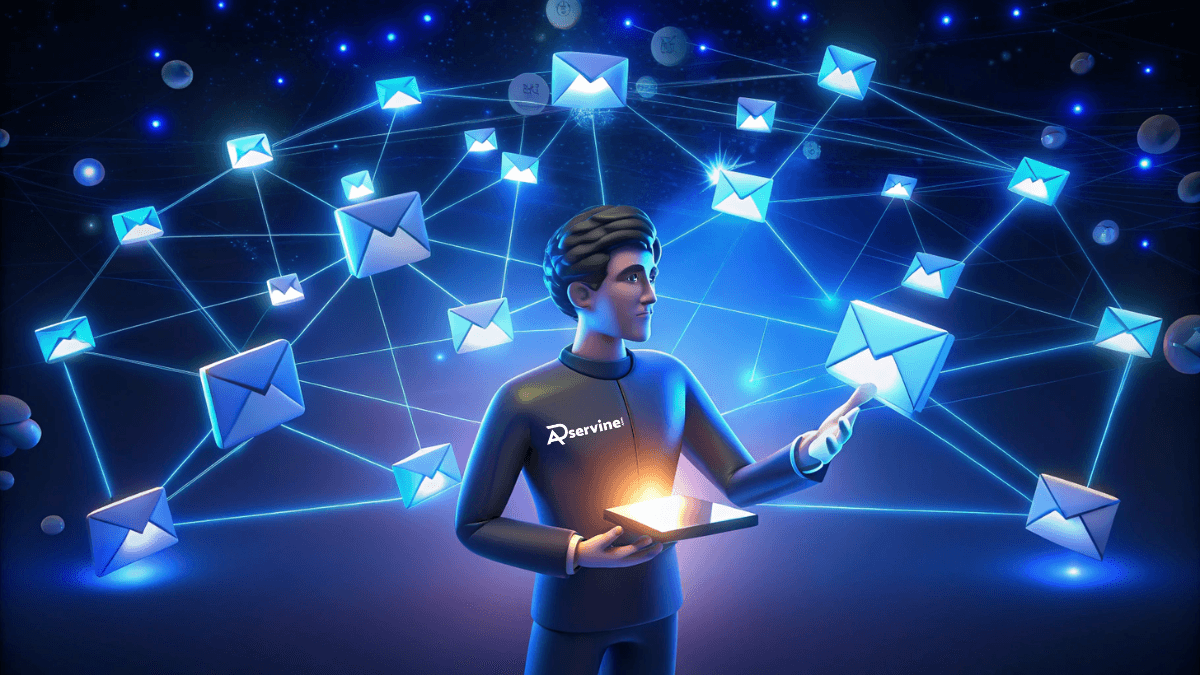
At its core, email marketing is about:
- Reaching your ideal audience where they check daily
- Delivering value in a personal, direct way
- Guiding subscribers through a customer journey
Emails can educate, inspire, nurture, sell, or support. And unlike social media followers, your email subscribers are an asset you own.
How Email Lists Work
Think of your email list as a community of people who voluntarily raise their hands and say, “Yes, I want updates from you.”
Here’s the basic flow:
- Someone discovers your brand: This could be through a blog, YouTube, Google search, social media, or a referral.
- They join your list (opt-in): They do this by entering their email through a form, pop-up, landing page, or checkout.
- You deliver value through email: This could be helpful content, updates, tips, or exclusive resources.
- Over time, they convert: Whether that means purchasing, booking a call, or joining a program.
A healthy list grows steadily, stays engaged, and continues to convert over months and years, not just days.
Essential Email Marketing Terms
Email marketing has its own language. Mastering these terms will help you understand what’s working and what needs improvement.
1. Open Rate
The percentage of subscribers who opened your email.
Good benchmark: 25%-45% depending on industry.
High open rates mean your subject lines and sender name build trust.
2. Click-Through Rate (CTR)
The percentage of people who clicked a link inside your email.
Good benchmark: 2%-8%.
CTR shows how compelling your content and calls-to-action are.
3. Segmentation
Breaking your list into smaller groups based on behavior or interests.
Examples:
- Customers vs. non-customers
- People who clicked a link vs. people who didn’t
- Subscribers interested in Topic A vs. Topic B
Segmentation boosts engagement because you’re sending the right message to the right people.
4. Automation (or automated sequences)
Emails that send automatically based on triggers, such as:
- Signing up
- Downloading a freebie
- Abandoning a cart
Automations allow you to nurture leads 24/7 without manual work.
Email Types You Should Know
Not all emails serve the same purpose. Here are the core types you’ll use in your strategy:
1. Newsletters
These are recurring emails, weekly, bi-weekly, or monthly, that share updates, tips, stories, or curated content.
Purpose: Stay top-of-mind and build trust.
2. Promotional Emails
Short-term emails designed to drive sales.
Examples:
- Launch announcements
- Discounts or limited offers
- Product showcases
Purpose: Generate revenue.
3. Automated Sequences
Also known as workflows or flows.
Examples:
- Welcome sequence
- Lead magnet delivery
- Post-purchase sequence
Purpose: Guide subscribers through a journey automatically.
4. Nurture Emails
These are educational or value-packed messages that warm up your audience before a pitch.
Purpose: Build relationship and authority.
The Basic Email Marketing Framework
All of email marketing fits into this simple flow. Let’s break it down:
1. Attract
Bring people into your world through content, ads, SEO, or social media.
Examples:
- A blog that ranks on Google
- A viral Reels video
- A YouTube tutorial
- A referral from a friend
2. Capture
Turn visitors into subscribers using:
- Lead magnets (guides, checklists, templates)
- Pop-ups
- Landing pages
- Signup forms
The key is to offer something valuable enough that people WANT to give you their email.
3. Convert
Once someone joins your list, your emails help them:
- Learn more about what you do
- See your expertise
- Trust your recommendations
- Make a buying decision
Conversion happens through nurture emails, promo emails, and automations.
4. Retain
After they become a customer, email helps:
- Keep them engaged
- Offer ongoing support
- Encourage repeat purchases
- Turn them into loyal fans
Retention is where long-term profit lives.
Tools You’ll Need to Get Started
You don’t need a complicated tech stack. Just these basics:
1. Email Service Provider (ESP)
This is where your list lives and where you send emails from.
Popular beginner-friendly options:
Choose a platform that allows:
- Automation
- Segmentation
- Analytics
- Forms and landing pages
More: The Best Email Marketing Platforms
2. Signup Forms
These are embedded on your website or blog.
You can add them:
- At the top of your site
- In your sidebar
- Inside blog posts
- In your footer
3. Landing Pages
Dedicated pages where people sign up for your freebie or offer. Landing pages convert higher than generic forms.
4. A Lead Magnet (optional but highly effective)
Examples:
- Free checklist
- Mini-course
- Template pack
- Ebook
- Workbook
A strong lead magnet accelerates growth.
Your First Simple Campaign Step-By-Step

Let’s build your first basic email campaign from scratch.
Step 1: Choose Your Goal
Start with one clear objective:
- Grow your list
- Announce a launch
- Promote a new service
- Welcome new subscribers
For beginners, a welcome sequence is the perfect first step.
Step 2: Create Your Signup Form or Landing Page
Write:
- A clear headline
- Short description of what they’ll get
- A simple CTA button (“Get Instant Access,” “Join Free”)
Step 3: Set Up an Automated Welcome Sequence
A basic 3-email flow works great. This builds trust without being salesy.
Email 1 – “Welcome + Here’s what to expect”
Send immediately. Deliver your freebie if you have one.
Email 2 – “Your story + connection point”
Send 1-2 days later. Share who you are and what you help with.
Email 3 – “Your best value email”
Send 2-3 days later. Provide real, actionable tips or resources.
Step 4: Send Your First Newsletter
Once your sequence is running, send your first broadcast email.
A simple format for beginners:
- Hook
- Quick story or context
- 1 main teaching point
- Optional CTA
Short, friendly, and helpful wins.
Step 5: Track Performance
After sending your first few emails, check:
- Open rate
- CTR
- Unsubscribes
This helps you improve your copy, formatting, and segmentation.
7 Common Email Marketing Mistakes to Avoid
Most beginners run into the same pitfalls. Avoid these to grow faster:
1. Writing Emails That Are Too Long
People skim. A great first email should be short enough to skim but long enough to deliver value. Keep each email focused on one message or outcome. 80-150 words is the range most readers can skim in 10-20 seconds, which keeps engagement high.
2. Sending Only Sales Emails
If all you do is sell, your audience tunes out. Follow the rule 80% value and 20% promotion.
3. Ignoring Mobile Formatting
Most people read emails on their phone. Use short paragraphs, spacing, and clear CTAs.
4. Not Segmenting Your List
Sending the same email to everyone tends to lower engagement. Generic emails feel spammy. Even simple segmentation can boost performance. Relevant emails feel valuable. Remember, not everyone on your list wants or needs the same thing.
5. Waiting Too Long to Email New Subscribers
Email your audience as soon as they join. When someone joins your list, they’re at their highest level of interest and excitement.
They remember who you are, why they signed up, and what they want to learn from you. The longer you wait, the colder they get. Within 48-72 hours, most can’t remember which website, blog, or creator they subscribed to.
6. Forgetting to Add Your Personality
People remember stories, tone, and voice, not generic info. Be yourself. Speak like a human, not a corporate memo.
7. Not Testing Subject Lines
A great subject line = more opens = more engagement. A/B testing helps you learn what your audience responds to.
Conclusion
Email marketing isn’t complicated once you understand the basics. It’s simply a system of attracting the right people, capturing their interest, nurturing trust, and staying connected long-term. Even if you’re starting from zero, you can build a profitable, engaged list with a simple setup: a form, a welcome sequence, and consistent value-packed emails.
Whether you’re a business owner, freelancer, creator, or blogger, email marketing gives you control over your audience and your message, something social media can’t guarantee. It’s your most reliable long-term growth channel.
Leave a Reply