If you’re trying to grow your brand through influencer marketing, here’s something most people overlook: the right influencer will always outperform a big influencer. It’s not the size of the audience that matters most, it’s how relevant, trusted, and engaged that audience is.
That’s exactly why understanding how to find the best influencers for your brand is more important now than ever.
Finding the right creator can feel overwhelming at first, but once you understand what to look for and where to search, the process becomes far more strategic and far less guesswork.
Related content
- How to Contact Influencers
- How to Plan an Influencer Marketing Campaign
- Influencer Pricing Guide
- UGC Creators vs Influencers
How to Define Your Ideal Influencer
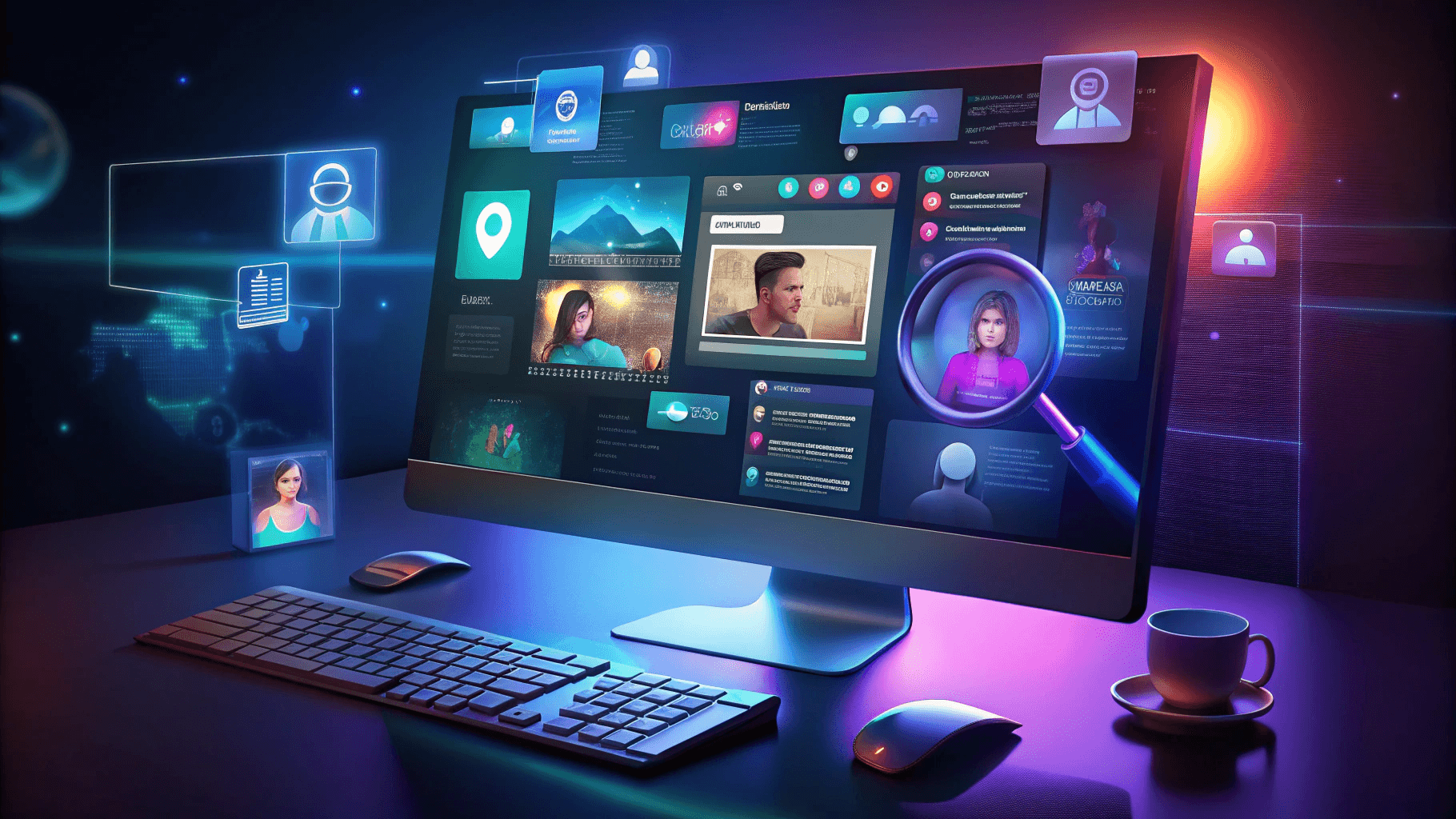
Before you start searching for influencers, you need to know who you’re looking for. Many brands skip this step and end up partnering with creators who post great content but attract the wrong audience.
1. Identify your target audience
Ask yourself:
- Who buys your product?
- What age/gender group do they fall into?
- What interests, hobbies, and needs do they have?
- Which platforms do they spend time on?
Your creator must attract the same type of people. Otherwise, even with millions of followers, you’re speaking to the wrong crowd.
2. Clarify what type of content represents your brand best
Creators vary widely:
- Educational creators
- Lifestyle vloggers
- Product reviewers
- Entertainers
- Niche experts
- DIY, beauty, fitness, tech, travel, fashion, etc.
Think about which style aligns with your product. A fitness brand should work with trainers or athletes, not travel vloggers. A beauty brand should lean into makeup creators who already share tutorials or product comparisons.
3. Decide on your ideal creator size
All creator levels can work, but for different reasons:
- Nano influencers (1K-10K): best for tight-knit communities and high trust
- Micro influencers (10K-100K): strong engagement and budget-friendly
- Mid-tier (100K-500K): good reach + credibility
- Macro influencers (500K-1M+): large audience, more visibility
- Celebrities and mega influencers: extremely expensive, less targeted
For most brands, especially small to mid-sized, micro and nano creators deliver the best ROI.
4. Define your campaign goal
Before you start, get clear on what you want your influencer campaign to achieve.
- Sales?
- Brand awareness?
- User-generated content?
- App installs?
- Website traffic?
Your goal influences the type of creator you choose. For example:
- For UGC, choose creators skilled in high-quality short-form videos.
- For awareness, go with mid-tier or macro influencers.
- For sales, choose niche micro creators with loyal audiences.
When you clearly define all of the above, your search becomes much easier, you’ll know exactly who fits and who doesn’t.
How to Find the Best Influencers for Your Brand Free
If you’re on a tight budget or just starting, there are several effective free methods to discover influencers who match your brand.
1. Use platform search features
Every major social platform has built-in tools to help you find creators.
TikTok:
Search for keywords that relate to your product (e.g., “skincare routine,” “home gym setup,” “travel gadgets”). TikTok’s algorithm naturally surfaces creators whose content performs well within that niche. TikTok’s algorithm is built around content, not follower count.
Instagram:
Use the Explore page or search bar to find posts and reels related to your industry, such as “hair care tips,” “healthy recipes,” and “tech reviews. Once you find one relevant creator, explore:
- Their tagged photos (here you’ll find brands they’ve worked with, fans or followers who tag them and other creators they collaborate with)
- Their collaborators (look through posts featuring other creators or reels where they tag or mention someone)
- “Similar accounts” suggested by Instagram (content style, niche, audience demographics or engagement patterns)
This creates a chain discovery effect. You find one good creator. Those creators lead you to their networks, and within 20 minutes, you’ve uncovered an entire group of influencers who post in the same niche and speak to the same audience.
YouTube:
YouTube is one of the strongest platforms for discovering trusted niche experts, especially if your goal is to build credibility or drive informed purchase decisions. Search for long-form review creators or niche experts. They often have more trust with their audience.
Use the YouTube search bar to look up phrases such as:
- “Best skincare products for acne”
- “Home workout equipment review”
- “Pet products I recommend”
Check their video descriptions and comment sections. Creators who influence purchases often have highly engaged comments full of questions, experiences, and thank-yous.
2. Search hashtags
Hashtags are one of the simplest and most overlooked ways to discover creators who are actively posting in your niche. Start by typing in hashtags related to your brand or industry.
- #microinfluencer
- #beautyinfluencer
- #fitnesstips
- #smallbusinessmusthaves
- #techreview
- #foodrecipes
Combine a niche hashtag + a location if you want local creators (e.g., #torontofitness, #LAfashionblogger, #londonmoms).
3. Check who is already talking about your brand
This is a goldmine.
Search:
- Your brand name or product as a hashtag (#YourProductName, #YourBrandNameReview)
- Your company name or product in captions
- Your product name in TikTok search (e.g., “hydrating serum,” “compact treadmill,” “planner app”)
Often, creators already love your brand enough to mention it organically. These are the best influencers to work with, because:
- They already genuinely like your product
- Their audience has heard about you before
- They’re more likely to work affordably or for gifted deals
Once you find these creators send a friendly DM thanking them for the mention and offer additional product, early access, or a collaboration opportunity.
4. Use TikTok Creator Search and their Creative Center
TikTok offers multiple free tools:
- Creator Search allows you to filter creators by audience size and niche.
- Creative Center shows trends, top creators, and the most engaged content in your industry.
For a platform that moves quickly, these tools give you an up-to-date view of who’s performing well.
5. Check competitors’ tags
Look at who is posting about your competitor’s products. These creators already attract your ideal audience and may be open to partnerships.
Search hashtags like:
- #CompetitorName
- #CompetitorProduct
- #ProductCategory + BrandName
- #CompetitorNameReview
Influencer Discovery Tools
If you want to scale influencer marketing or run multiple campaigns, manual searching becomes time-consuming. This is where influencer discovery platforms shine. They help you find creators faster, filter them properly, and avoid risky partnerships. These tools streamline discovery, but you still need to manually review creators to ensure their tone and audience match your brand.
Here are the most effective tools:
1. Modash
One of the most popular choices for small to mid-sized brands.
Features:
- Search millions of creators across Instagram, TikTok, YouTube
- Filter by audience location, age, interests, follower size, engagement rate
- Check audience authenticity and fake followers
- Export creator lists
Modash is known for clean data and user-friendly filters.
2. Upfluence
A more comprehensive solution, ideal for bigger brands or agencies.
Features:
- Large creator database
- CRM-style management
- Built-in email outreach
- Affiliate program integrations
It’s powerful but can be expensive for beginners.
3. Aspire
A platform designed for managing ongoing influencer relationships.
Features:
- Campaign tracking
- Content approval workflows
- Influencer discovery
- Payment and contracting tools
Great for brands running consistent monthly influencer work.
4. Heepsy
Affordable and straightforward.
Features:
- Location-based search
- Audience insights
- Fake follower analytics
Good for smaller businesses.
5. TikTok Creator Marketplace
TikTok’s official influencer search tool with platform-verified data. Best for TikTok campaigns, especially paid or integrated promotions.
How to Check for Fake Followers
Follower count doesn’t equal influence. Many creators inflate their numbers through:
- Purchased followers
- Engagement pods
- Follow/unfollow loops
- Low-quality giveaways
Here’s how to quickly spot fake followers:
1. Analyze engagement consistency
A creator with 100K followers but only 200 views per TikTok? That’s suspicious.
Healthy accounts typically have:
- Views consistently between 10-25% of follower count on average
- Comments that look real, not spammy
- Posts with fairly steady performance over time (scroll through at least 10-15 of their latest posts, if you see massive inconsistencies like one post with 200K views and the next ten with under 500, that could signal)
2. Look at the comment quality
Genuine comments:
- Comments that respond to the content
- Questions, reactions, or personal experiences
- Followers tagging friends
Fake comments:
- Are repetitive
- Generic one-word replies (“Nice!”, “Cool”, “Love it!”)
- Come from accounts with no photos or content
3. Check growth patterns
Platforms such as Modash, Social Blade, or even some influencer marketplaces provide detailed growth graphs that show:
- Daily follower increases or decreases
- Engagement changes over time
Red flags:
- Sudden spikes in followers (if followers increase but engagement doesn’t, something is off)
- Repeated waves of unusual growth (repeated spikes often signal repetitive bot purchases or being part of engagement pods)
- Spikes without any viral content to justify them (a creator gaining 5,000 or 10,000 followers overnight without a viral post or major event is suspicious)
4. Review audience demographics
Tools can show if:
- Followers are mostly from irrelevant countries
- There are too many suspicious or inactive accounts
- A large percentage of followers have zero profile info (if more than 20-30% of an audience is low-quality or incomplete profiles, think twice before partnering.)
5. Engagement rate that is too high
Engagement rate of 20-30% (or higher) on every single post is not typical for most influencers, especially those with larger audiences. If a creator consistently shows unusually high engagement, it may signal engagement pods or purchased likes or comments, bot-driven engagement, and viral anomalies used as a cover.
Engagement Rate Benchmarks
Engagement rate helps you understand how connected a creator is with their audience. Higher engagement usually means better performance, especially for conversions.
General benchmarks (these vary by platform):
- Nano: 4-8%
- Micro: 2.5-5%
- Mid-tier: 1.5-3%
- Macro: 1-2%
A nano creator with 6% engagement may outperform a macro creator with 1% engagement when it comes to driving sales, not because they’re bigger, but because their audience is more invested.
TikTok
TikTok tends to have higher engagement because of its algorithm:
- Nano/Micro: 6-15%
- Mid-tier: 4-10%
- Macro: 2-5%
YouTube
Lower engagement doesn’t mean poor performance, it simply reflects a broader audience base and the platform’s distribution style.
- 2-5% is strong
- Anything under 1% needs more scrutiny
Engagement rate matters more for smaller creators. For large creators, focus on average views instead.
Red Flags to Avoid When Choosing Influencers
Choosing the wrong influencer can waste your budget or even harm your brand. Here are signs you should walk away:
1. Inconsistent content quality
If their content varies drastically in tone or effort, your campaign may suffer.
2. Controversial behavior
It’s always smart to take a quick look through their past posts, comments, and overall online behavior. You don’t need to do a deep investigation, but you do want to make sure there’s no ongoing drama, negativity, or controversial content that could reflect badly on your brand.
3. Low or spammy engagement
Comments that look fake are a major warning sign. If their posts are full of generic, repetitive, or totally unrelated comments, that’s usually a sign something is off.
4. Too many sponsored posts
A partnership here and there is totally normal, that’s how influencers make a living. But if every other video is an ad, their audience may no longer trust them.
5. No real connection to your niche
If they’ve never posted anything even close to your product category, the partnership will feel random, and their audience will instantly pick up on that.
6. Unprofessional communication
How a creator communicates with you during the early stages of outreach says a lot about what it will be like to work with them. Slow replies, unclear pricing, or inconsistent messaging can lead to complications during the campaign.
7. Misaligned values
If they promote products that contradict your brand (e.g., a fitness influencer regularly promoting junk food), the partnership will feel disjointed to their audience.
Conclusion
Finding the right influencer isn’t about chasing the biggest follower count, it’s about discovering creators who genuinely influence the audience you want to reach. When you define your ideal creator, use free and paid tools to search strategically, analyze their engagement, and check for authenticity, you’ll quickly filter out the noise.
The best partnerships feel natural, authentic, and mutually beneficial. When you collaborate with influencers who already resonate with your target audience, your campaigns become more efficient, your results become more predictable, and your brand earns deeper trust.
Invest time in finding the right creators, and your influencer marketing will stop feeling like a gamble and start feeling like a growth engine.
Leave a Reply