
If you’ve ever bought something because your favorite creator recommended it, you’ve already experienced the power of influencer marketing. It works for a simple reason: people trust people more than they trust brands. Today’s consumers scroll past ads without thinking twice, but they’ll stop and pay attention when someone they follow and genuinely like shares a product they love.
Influencer marketing taps into this natural trust. Instead of shouting at customers with traditional advertising, brands can reach them through someone they already listen to.
Related content
- How to Find the Best Influencers
- How to Contact Influencers
- How to Plan an Influencer Marketing Campaign
- Influencer Pricing Guide
- UGC Creators vs Influencers
What Influencer Marketing Actually Is
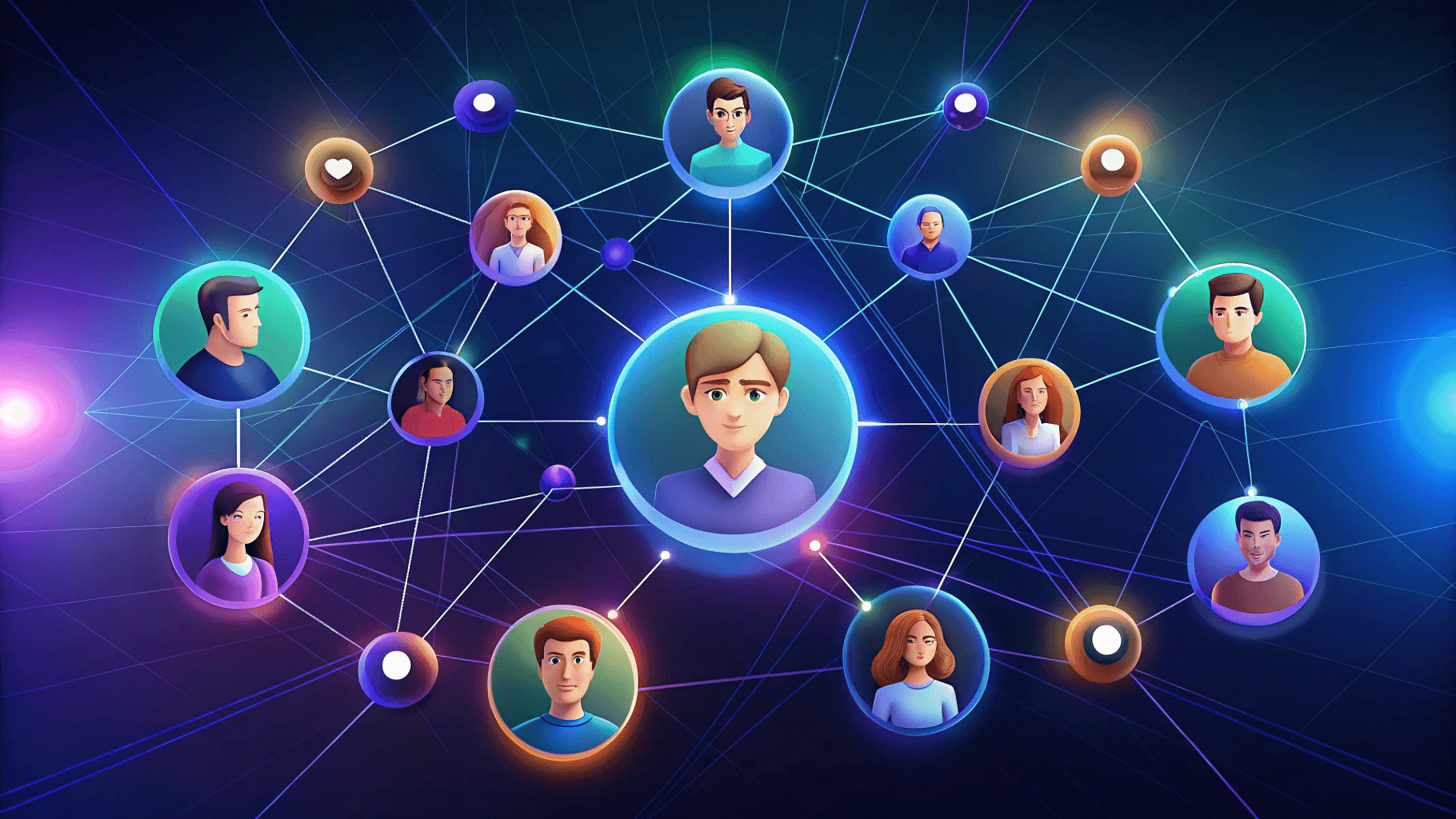
At its core, influencer marketing is when a brand partners with a creator who has an audience, and the creator promotes the brand’s product or service. But that definition doesn’t fully capture the magic behind it.
Influencer marketing is essentially social proof at scale. Creators build communities around their interests, personality, and credibility. When they recommend a product, it’s not just content, it’s a trusted opinion from someone their followers feel connected to.
A few things make influencer marketing unique:
- It feels natural and conversational, not like a hard sell.
- It puts your brand in front of the exact type of people who are likely to buy from you.
- It leverages the creator’s storytelling skills and creative style.
- It drives both awareness and actual sales when done right.
Influencer marketing isn’t limited to “big names.” Anyone with an audience and influence can be part of it, whether they have 1,000 followers or 1 million.
Types of Influencers
Not all influencers are created equal, and bigger isn’t always better. Understanding the different types will save you money and help you pick the best partner for your goals.
1. Nano Influencers (1,000-10,000 followers)
Nanos feel the most like regular people, because they are. Their audience is small but highly engaged. These creators often know many of their followers personally, so their recommendations feel extremely trustworthy.
Best for: small budgets, local brands, community-focused products.
Pros: low cost, great engagement, authentic content.
Cons: limited reach
2. Micro Influencers (10,000-100,000 followers)
Micro creators strike the perfect balance between strong engagement and solid reach. They’ve grown enough to influence larger audiences but still maintain close relationships with followers.
Best for: most beginner campaigns, niche products, and lead generation.
Pros: high trust, affordable, niche expertise.
Cons: may require more coordination if you work with many.
3. Macro Influencers (100,000-1M followers)
Macro influencers have a large following and often create content as their full-time job. Their posts bring major visibility.
Best for: brand awareness, national campaigns, trendy products.
Pros: big reach, polished content.
Cons: higher pricing, engagement may drop as the audience grows.
4. Mega Influencers (1M+ followers)
Celebrities include actors, musicians, athletes, and mega-digital creators. Their endorsement can instantly put your brand on the map, for a price.
Best for: global brands, high-budget campaigns, mass exposure.
Pros: massive reach, mainstream impact.
Cons: extremely expensive, may feel less authentic.
Organic vs. Paid Partnerships
Influencer collaborations generally fall into two categories: organic and paid.
Organic Partnerships
These happen naturally. Maybe a creator already loves your product, buys from you regularly, or mentions your brand without being paid or asked to.
Why organic is valuable:
- It’s authentic by nature.
- It doesn’t cost you anything upfront.
- It often leads to long-term relationships.
Brands can encourage organic content by sending PR gifts or simply engaging with creators online, but there’s no guarantee they’ll post, because even if you send free products, creators are not obligated to post. Organic means they choose to share only if they truly want to.
Paid Partnerships
A paid partnership is a formal agreement where a creator is compensated in exchange for content. Payments can be:
- Flat fees a set amount of money for each post or video.
- Free products or services, the creator gets your product for free as their payment.
- Commission or affiliate revenue, the creator earns money only when their followers buy using their link or code.
- Performance bonuses, extra payments if the content performs well (ex, hits certain sales or views).
Why paid partnerships matter:
- You have control over deliverables.
- You can scale content production.
- You get usage rights (if negotiated) for ads or repurposing.
Most successful brands use a mix of both types, organic for authenticity, and paid for predictable results.
Where Influencers Live (IG, TikTok, YouTube, UGC)
Each social platform has a different vibe, content style, and audience expectation. Choosing the right one is key.
Great for lifestyle brands, fashion, beauty, travel, and anything visually pleasing.
Strengths:
- Strong storytelling through photos, Reels, and Stories
- Perfect for building long-term loyalty
- Easy for creators to tag products and link to your shop
TikTok
The powerhouse of viral content. TikTok is raw, fast, and trend-driven.
Why it works:
- The algorithm pushes content to new audiences
- Short videos make it easy to go viral
- Perfect for product demos, “TikTok made me buy it,” and UGC-style content
YouTube
YouTube is the best platform for content that needs more time to explain, teach, or demonstrate something.
So if a creator wants to:
- review a product in detail
- show a full tutorial
- explain how something works
- share a long vlog or story
Benefits:
- High viewer trust
- Long shelf life (videos rank in search for years)
- Excellent for tutorials, reviews, vlogs, and educational products
UGC (User-Generated Content) Creators
UGC creators aren’t influencers in the traditional sense. They create content for you to use on your brand’s own channels, without needing a built-in audience.
Why brands love UGC:
- Affordable
- Authentic style
- Perfect for TikTok Ads, Reels Ads, and product pages
If you’re just getting started, UGC can be one of the smartest and most budget-friendly content sources.
How to Plan an Influencer Campaign
A successful campaign requires more than finding a creator and sending products. Here’s a simple strategy to follow.
1. Define your goal
What do you actually want to achieve?
- Brand awareness?
- Sales?
- Content creation?
- New audience discovery?
Pick one main goal to guide your decisions.
2. Choose the right platform
Go where your audience already spends time.
If you sell beauty: Instagram and TikTok.
If you sell software: YouTube.
If you sell home goods: TikTok + UGC.
3. Determine your budget
Budgets can range from $0 (organic gifting) to millions (celebrity campaigns). You can spend $0 if you choose organic gifting, which means you send a creator free products and hope they share it. You can spend more if you buy UGC content for ads or you can spend thousands or millions if you work with celebrities or huge macro influencers. For beginners, it’s common to start with nano and micro influencers or UGC creators.
4. Identify creators that fit your brand
Look for alignment in:
- aesthetic
- audience demographics
- values
- engagement rate
- previous brand collaborations
Use hashtags, influencer discovery tools, or even TikTok search to find creators.
5. Reach out professionally
A simple DM works: “Hi [Name]! We love your content and think you’d be a great fit for our brand. Are you open to collaboration?”
Then move to email to finalize details.
6. Give creative freedom
Creators know their audience better than you do. They know what type of content their followers like, how they speak, and what style performs best. You should give them general guidelines, not scripts. Let them create in their own style.
Avoid:
“Say this exact sentence: ‘This moisturizer is the best product I’ve ever used.’ Only record in your bedroom with white lighting. Wear a blue shirt. Smile at the end.”
Try:
“We’d love you to highlight that the moisturizer is lightweight and good for sensitive skin. Please show the product in the video and mention our discount code. Everything else is totally up to you!”
7. Track results
Once your influencer campaign goes live, you need to measure what actually happened. This helps you understand what worked, what didn’t, and how to improve your next campaign.
Metrics to monitor:
- Reach and impressions
- Engagement rate
- Clicks
- Conversions or sales
- Cost per result
Good campaigns are built on iteration. Measure, learn, adjust.
Simple First Campaign
Here’s a step-by-step example of a beginner-friendly influencer campaign.
Scenario: You own a small skincare brand and want to increase awareness and sales.
Step 1: Set the goal
Before you start any influencer campaign, you need to know exactly what you want to achieve. Your goal will guide every other decision you make Increase sales of your best-selling moisturizer. This means the purpose of the campaign is not just awareness or engagement, it’s specifically to drive purchases of one product.
By having a simple, clear goal like this, you can:
- choose creators whose audience is interested in skincare
- create content that highlights the moisturizer’s benefits
- track sales using links or discount codes
- measure whether the campaign actually worked
Step 2: Choose platforms
The next step is deciding where your influencer content should live. Different platforms attract different audiences and content styles, so you want to choose the ones where your product naturally performs best. Instagram and TikTok (because beauty thrives there).
Why Instagram works for beauty:
- People love seeing aesthetic, visually pleasing content
- Reels and Stories are perfect for quick demos
- Beauty influencers are very active on IG
- Users often shop directly through posts and tags
Why TikTok works for beauty:
- Beauty products go viral easily
- Short “before and after” videos perform well
- The algorithm pushes content to new audiences
- Trends like “GRWM” and “TikTok made me buy it” boost discovery
By choosing Instagram and TikTok, you’re placing your product exactly where beauty lovers already spend their time and where skincare content naturally thrives
Step 3: Select creators
Find 5 micro influencers in the skincare niche with:
- 10K-50K followers, this is the sweet spot for micro influencers, big enough to have reach, small enough to stay authentic.
- 4-5%+ engagement rate, best indicator that their audience pays attention
- Skin-care focused content
How to spot good engagement:
- real comments
- likes that match their size
- conversation happening in the comment section
- no sudden, suspicious spikes in followers
Why micro influencers (10K-50K followers)?
- They have a loyal, tight-knit audience
- Their followers trust their opinions
- They’re more affordable than big influencers
- They often deliver higher engagement and better conversions
Step 4: Send a collaboration offer
Next step is to reach out with a clear and professional collaboration offer. This message should tell the creator what you’re offering and what you’d like them to create. Offer free products + a fixed payment (or affiliate commission if your budget is small).
Request:
- 1 TikTok video (a short, fun, or educational clip showing your moisturizer in action.)
- 1 Instagram Reel (another short video (or unboxing), possibly filmed at the same time but edited for Instagram’s style.)
- 3 Instagram Story frames (quick, casual clips or photos that feel personal. Stories are great for sharing discount codes, links, and swipe-ups.)
Step 5: Provide guidelines
These are the important points they must include so the content is accurate and meets your campaign goals, but you still want them to create in their own natural style. Allow full creative flexibility for tone and style.
Include:
- Main benefits to highlight
Tell the creator what makes your product great, for example:
- “Lightweight formula”
- “Good for sensitive skin”
- “Hydrates for 24 hours”
This ensures the content communicates what matters most.
- Key messages
These are the must-mention points, such as:
- your brand name
- the product name
- a discount code if it possible
- where to buy it
Short and simple works best.
- Mandatory disclosure (#ad)
Creators must disclose when content is sponsored. This keeps the partnership honest and legally compliant.
Examples:
- #ad
- #sponsored
- “Thanks to [Brand] for partnering with me”
- Deadlines
Let them know when the content should be posted. Creators often manage many partnerships, so clear timing prevents delays.
Step 6: Launch and share
After the creators publish their content, your job isn’t done. A strong influencer campaign doesn’t end with their posts, you want to amplify the content so it reaches even more people.
- Repost to your brand’s social media channels
Share their TikTok or Reel on your own pages. This gives your brand:
- fresh, authentic content
- social proof
- more engagement
It also shows creators you appreciate their work.
- Use the videos in ads (if you’ve negotiated usage rights)
UGC-style creator videos perform extremely well in paid ads. They feel real, not overly polished, which is exactly what people trust today.
You can turn their content into:
- TikTok Ads
- Instagram Reels Ads
- Facebook Ads
- YouTube Shorts Ads
Just make sure you negotiated usage rights in your agreement, meaning you have permission to use their content in advertising.
- Add the videos to your product pages
Seeing a real person use and enjoy your product can increase conversions on your website.
Adding creator content to your product pages can:
- increase trust
- show how the product works
- reduce hesitation
- boost add-to-cart rates
This is especially useful for beauty, skincare, fashion, and lifestyle products.
Step 7: Track performance
After your campaign has run and creators have posted, it’s time to look at the results. This is where you figure out what worked, and what didn’t. Compare creators. See who drove the most clicks or sales, had the highest engagement, then rebook them for a second round.
Sometimes a creator with fewer followers sells more than a larger influencer. That’s normal, and exactly why analyzing performance matters.
The creators who:
- got good engagement
- drove traffic
- converted sales
- created high-quality content
…are the ones you’ll want to work with again.
Step 8: Rebook the best creators
Influencer marketing works best when you build long-term relationships, not one-off posts. If a creator performed well, reach out and say something like:
“We loved your content and saw great results! Would you like to partner with us again for a longer campaign?”
This strengthens trust and consistency, your audience sees the influencer mention your product more than once, which increases credibility and sales.
You now have your first complete influencer campaign.
7 Common Mistakes to Avoid
Even experienced marketers slip up. Here are the most frequent mistakes and how to steer clear of them.
1. Choosing influencers based only on follower count
One of the biggest mistakes brands make is picking influencers just because they have a lot of followers. Big numbers look impressive, but they don’t always mean better results.
I often see this with my own clients. For example, one client insisted on working only with influencers who had 100K+ followers, expecting huge results. But those creators delivered poor engagement and almost no conversions, because their audience wasn’t deeply connected or interested.
Meanwhile, influencers in the 20K-50K range are consistently driving more clicks, stronger engagement, and better overall campaign results.
So remember small audience with strong engagement often outperforms a large, passive one.
2. Not checking audience quality
Another common mistake is assuming that every follower an influencer has is real or valuable. Fake followers and low-quality engagement still exist. Look for:
- consistent comments (not just emojis or “cute!” but real responses that show followers are genuinely interested)
- real conversations in the comments (when followers ask questions, share opinions, that’s a sign of a healthy, engaged audience.)
- steady growth (sudden spikes in followers can indicate bought followers or viral one-off content that brought the wrong audience.)
3. Over-controlling the creator’s content
A big mistake brands make is trying to control every word, angle, or scene the creator posts. But the more you micromanage, it kills authenticity, and audiences can sense it instantly. Don’t worry creators know exactly what their followers respond to.
4. Forgetting clear contracts
Moving forward with an influencer partnership without a clear contract. Even when both sides have good intentions, misunderstandings happen — and they can cost you time, money, and content.
This includes:
- deliverables (exactly what the creator must produce)
- payment terms (how much they’ll be paid, when they’ll be paid, and the method of payment.)
- usage rights
- posting timelines
Always keep things documented.
5. Not tracking results
If you don’t measure, you can’t improve. Even simple tracking links help.
6. One-off activations
A big mistake many brands make is treating influencer marketing like a “one-and-done” task, hiring a creator for a single post and expecting big results. Real influence is built over time. Brands that invest in long-term partnerships see significantly better results.
7. Ignoring UGC
Many brands think they must hire influencers. UGC creators can produce high-converting content without a large audience.
Conclusion
Influencer marketing isn’t just a trend, it’s a modern cornerstone of how brands grow. People want recommendations from people they trust, and creators have built entire communities around that trust. Whether you’re launching your first small campaign or dreaming of a future global brand, working with influencers gives you a direct line to real, engaged audiences.
Start small. Test different creators. Focus on authentic content. And remember influencer marketing is more than a tactic; it’s a relationship-building tool that can transform your brand one post at a time.
Leave a Reply